

Creston and other communities across the Columbia Basin will be able to strengthen their response to climate change through funding from the Columbia Basin Trust for projects aimed at creating resilient, adaptive outdoor spaces.
The trust is investing nearly $670,000 to support nine projects through the Climate Adapted Community Spaces Grants program.
These projects will span the basin area helping communities make parks, green spaces and streets safer and more resistant to changing climate conditions.
“Communities are taking practical steps to adapt to climate change in ways that reflect their local needs and priorities. Whether responding to extreme heat, heavy rainfall, drought or wildfire, investments in trees, parks and natural spaces help reduce risk, support healthy ecosystems and improve quality of life for people across the Basin.” said Katie Kendall, Senior Manager, Delivery of Benefits for the Trust
To address these challenges, communities will use natural solutions such as planting trees to keep areas cooler, improving green spaces, managing rainwater to reduce flooding, and using drought-tolerant plants to reduce heat, all which will provide safety to people and wildlife.
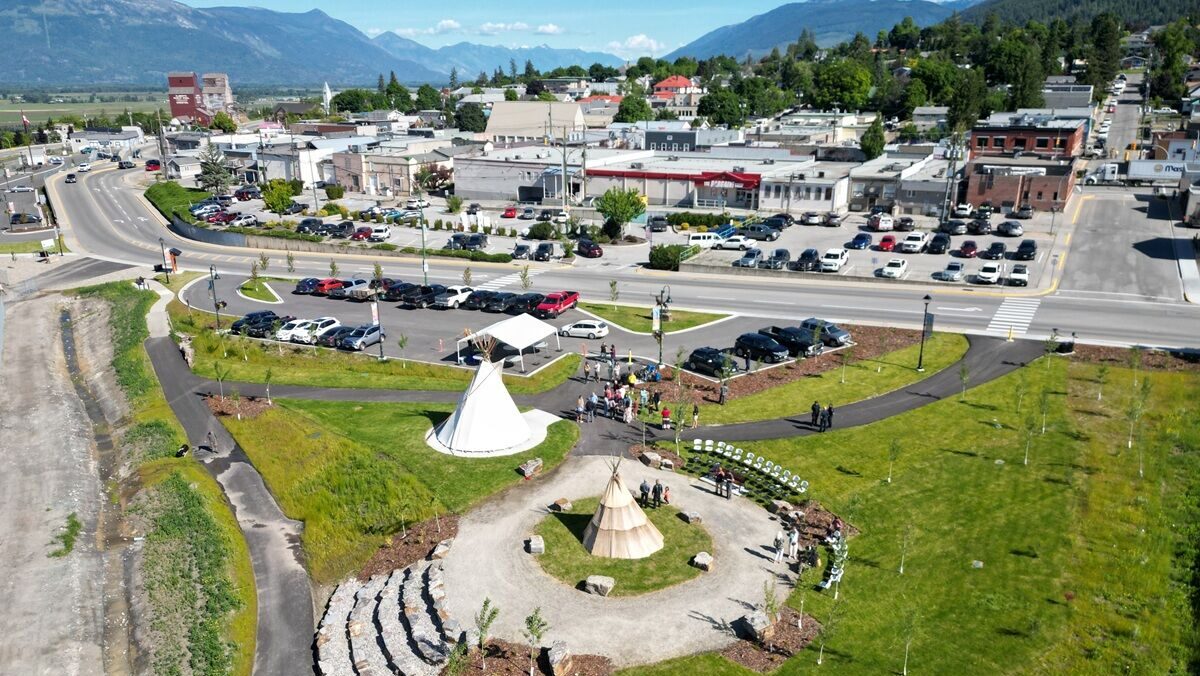
The town of Creston will receive $69,000 to develop a new storm water retention pond in ʔak̓uǂni Park. The pond’s purpose is to collect rainwater during heavy storms, reduce flooding and erosion, help filter and replenish groundwater, and improve water quality. The pond will also enhance biodiversity, as native vegetation helps create a habitat for birds, amphibians and aquatic species.
“ʔak̓uǂni Park can receive a significant amount of runoff during heavy rains. The pond will capture that water and gradually return it to the ground, using natural filtration processes to help improve water quality along the way. Once established, we hope the pond will be a focal point for gathering and education at the park.” said Natasha Ewashen, Municipal Services Coordinator and Planner with the Town of Creston.
Local governments will also use funding to plan and execute urban forest inventories, heat mapping, flood-risk analysis, climate resilient landscaping using natural features such as tree planting, ponds, wetlands, fire resistant vegetation and pollinator-friendly corridors.
Be the first to know! Don’t miss out on breaking news and daily updates in your area. Sign up to MyCrestonNowNews Alerts.