
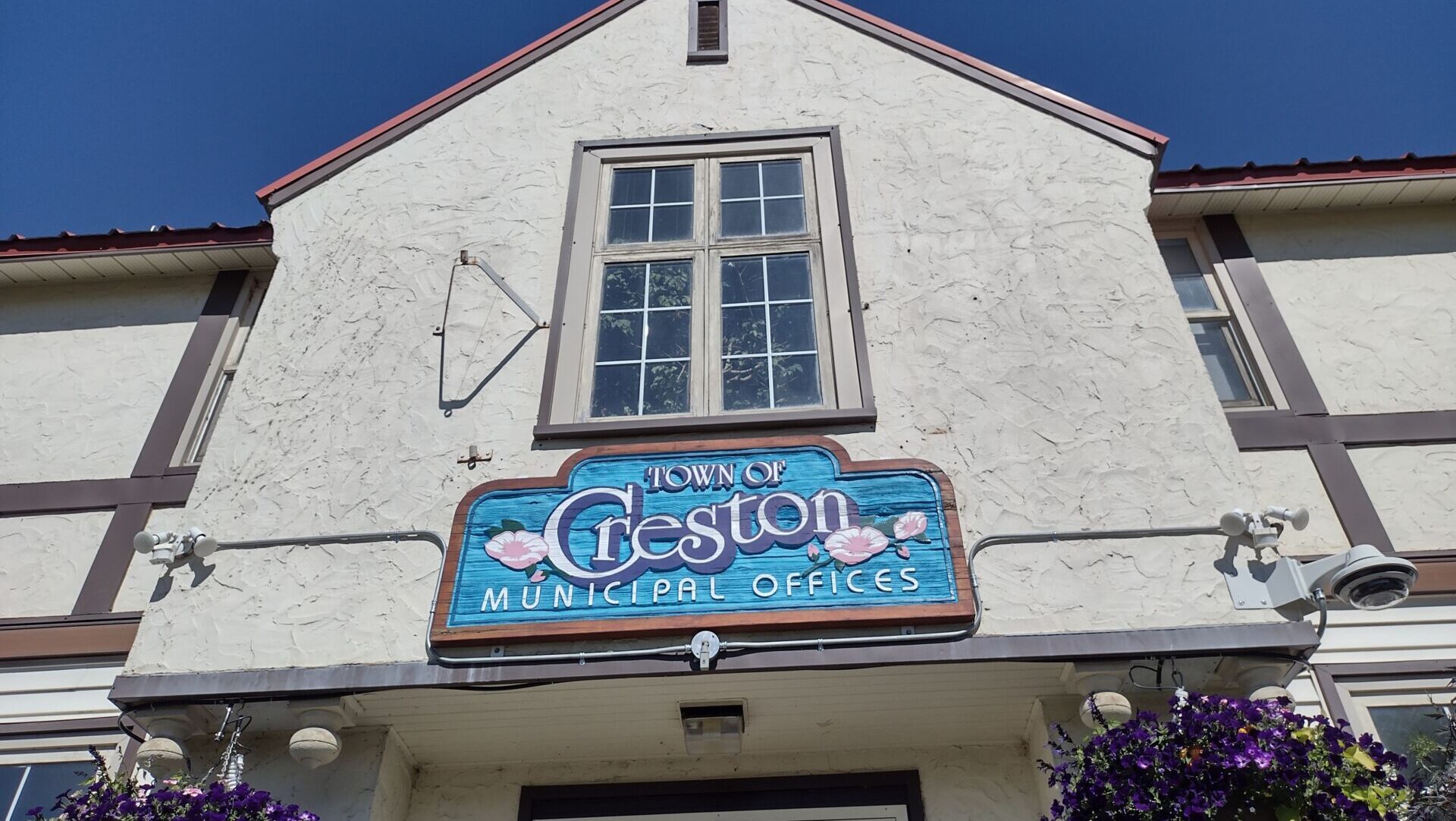

Nearly one in five Creston households that took part in a community radon testing challenge recorded levels above Health Canada’s action guideline.
The Town launched the Canadian Cancer Society’s 100 Radon Test Kit Challenge in fall 2025.
Pam Warkentin, a representative with the Canadian Cancer Society, presented the results to Creston council this week.
Health Canada recommends action to reduce radon levels above 200 becquerels per cubic metre. Warkentin told council 16 of the 86 homes that completed testing, or 19 per cent, recorded levels above that threshold.
Fourteen homes tested between 200 and 600 Bq/m³, while one tested between 600 and 1,000 and another recorded a level above 1,000. The remaining 70 homes tested below Health Canada’s guideline.
Warkentin told council Health Canada estimates about 3,000 Canadians die from radon-related lung cancer each year and described radon as the leading cause of lung cancer among non-smokers.
The challenge saw 101 detectors distributed throughout the community over the winter. Eighty-six were returned and analyzed, resulting in an 85 per cent return rate, which Warkentin described as one of the program’s better return rates.
“We have about a 74 per cent return rate on average on our program,” said Warkentin.
She said most of the local households that participated had never previously tested for radon.
The results also showed elevated levels were not concentrated in one part of Creston.
Warkentin told council the organization reviews mapping data but found high and low readings in various areas throughout the community.
“You can have, like, one green house next to a red house, next to a yellow,” she said, referring to the categories used to show different radon levels.
“So even on one street it can be, you know, one is low, one is high. And that’s quite common.”
Warkentin said the 19 per cent of participating Creston homes with radon levels above Health Canada’s guideline was higher than the provincial average of about eight per cent.
She said Creston falls “kind of right in the middle” compared with other B.C. communities that have taken part in the program.
“Although the BC average is about eight per cent, we do find at a community level that we certainly have a number of communities that are higher than that provincial average,” she said.
Mayor Arnold DeBoon asked whether researchers have found any conclusive link between the cumulative effects of wildfire smoke and radon exposure.
Warkentin said the research is still in its early stages.
“There really isn’t any confirmed research at that point,” she said, noting researchers are examining the issue from a few different angles.
She said some existing evidence suggests other illnesses that affect the lungs could make people more vulnerable to lung cancer when combined with radon exposure.
“We do know that there is research with the smoking combination, that the damage that smoking can do to lungs makes lungs more easily damaged by the radon, so they’re more at risk,” she said.
“There is some evidence that show other illnesses that impact our lungs can also make people more vulnerable … to risk of lung cancer when that’s combined with exposure to radon.”
Warkentin said participants received individual reports and information to help them understand what their results mean and what steps they can take to reduce their exposure.
“Anybody that needs to reduce their radon level can hire a certified professional, and there is a list online,” she said. “There is also a mitigation grant for those who don’t have the finances and are concerned about the cost.”
Eligible low- to moderate-income households and people diagnosed with lung cancer can apply for financial assistance through the Canadian Lung Association’s Lungs Matter Grant.
More information on radon testing can be found here.
Want to get your business noticed? Have you considered advertising through your local radio station? Speak to one of our sales agents and find out how radio advertising can boost your business today. Call 250-365-7600 or email Vista Radio.