
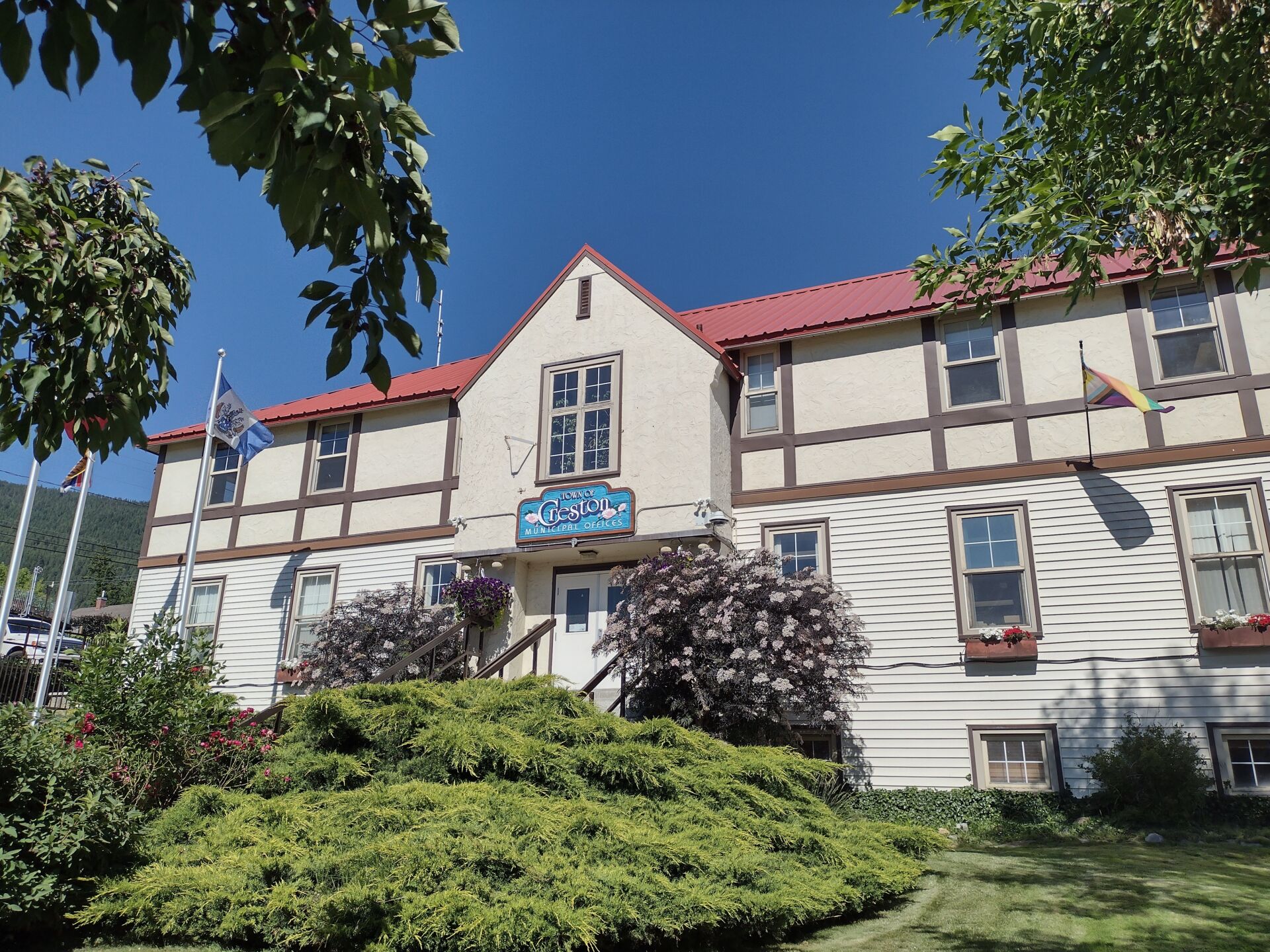

Creston council is looking at ways it can advocate for better support for people who have experienced sexual assault.
Council received an update from the town’s Support for Survivors of Sexual Crimes Working Group on Tuesday. The group was established last fall.
According to a staff report, the working group has met three times and has been working with Interior Health’s Sexual Assault Forensic Examination, or SAFE, program coordinator and local organizations that support survivors
The report said the group identified several service and system gaps in Creston. It said forensic evidence currently cannot be collected locally because of chain-of-custody issues and a lack of appropriate freezer storage.
Forensic photography is also not yet offered in Creston, although it’s anticipated to be available soon.
The report also identifies chronic hospital staff workload, staffing shortages and frequent turnover as contributing to gaps in training.
It also notes current triage practices partly rely on visible distress, which can be problematic because trauma responses following sexual assault may not always be immediately visible.
“Survivors of sexual assault may present with trauma responses that are not immediately visible or that differ from presentations seen in other emergency situations,” reads the report.
Councillor Carolyn Hawton questioned whether the gaps identified by the working group could create opportunities for advocacy.
“I just see an opportunity for maybe a bit of reporting coming back to us that can help us to guide where some of that advocacy can happen with the attorney general,” said Hawton.
CAO Mike Moore agreed, but said more information and context is needed to understand why the gaps exist before council decides what it should advocate for.
He used the lack of forensic photography as an example, saying the reason could range from a lack of trained staff to an inability to fill a position.
“I think the context matters to those both of them. And identify where those opportunities exist.”
Moore recommended council ask staff to gather information about potential advocacy oportunities with the province. That motion was approved.
Hawton also said the town could advocate for funding to bring some services to Creston.
“Because if it can’t be done here, I don’t think a victim should have to pay.”
Moore said that could be part of the advocacy council considers once staff have more information about the gaps and where provincial action could help.
The working group plans to continue meeting with Interior Health staff to share referral information for relevant community programs, strengthen local coordination and support the SAFE coordinator where needed.
Be the first to know! Don’t miss out on breaking news and daily updates in your area. Sign up to MyCrestonNowNews Alerts.