
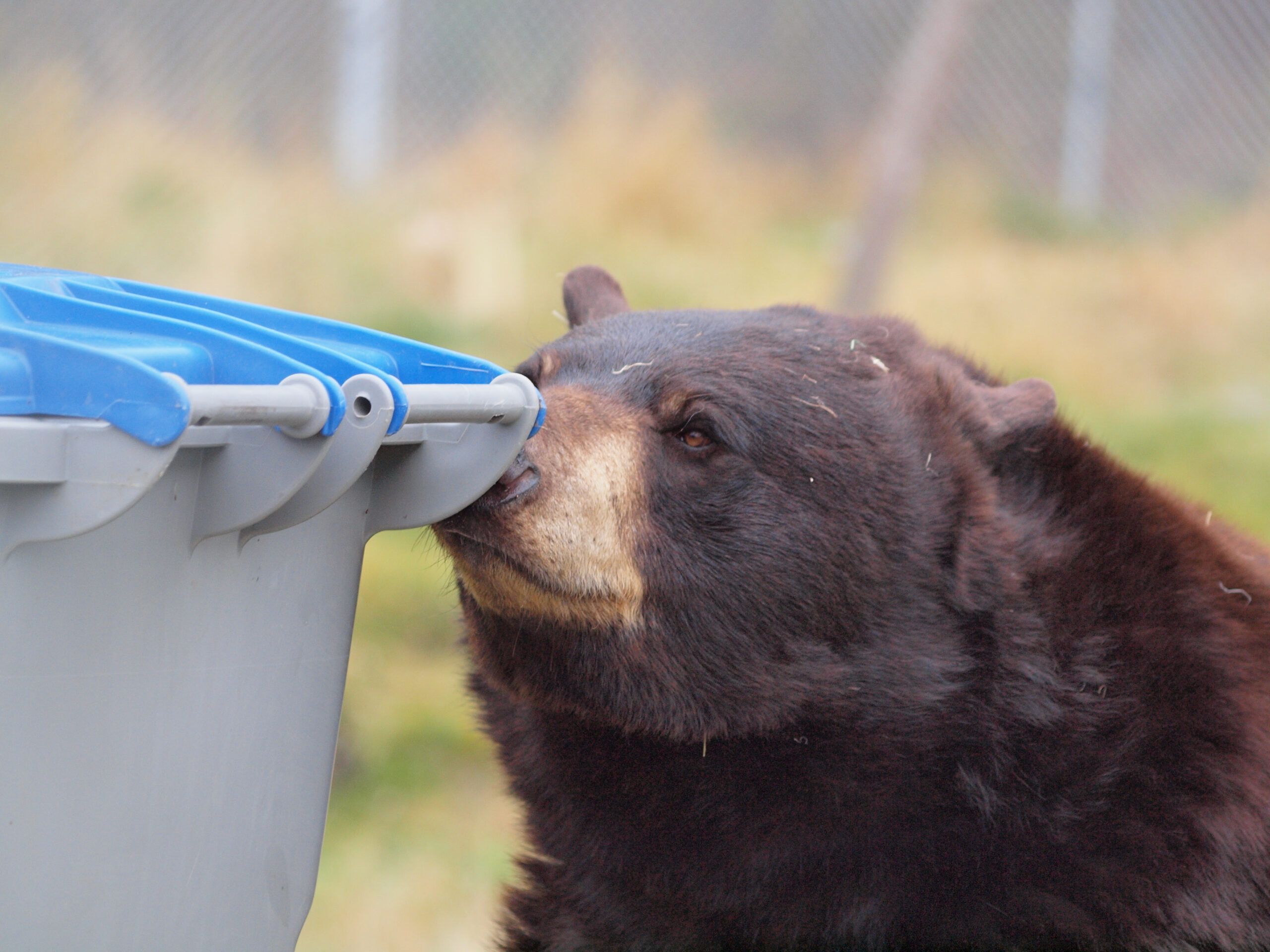

An increase in bear sighting has WildSafe BC reminding residents they’re on the hunt for food and our garbage bins are on the menu for some easy calories.
Tara Pejski WildSafeBC Castlegar Coordinator says they’ll begin bin tagging right away to make sure garbage bins, organic bins and for the first time- recycling bins, aren’t placed out before they’re supposed too.
“According to the bylaw, they can be placed out anytime after 4am the morning of collection.” said Pejski.
“Even though the recycling might be cleaned, it is an attractive. All wildlife have really great senses of smell, so if there is anything that contains food items, even if they’ve been cleaned, they can probably still smell it and they’ll still go through it and make a big mess.”
Setting these bins out prior to 4am may result in a fine.
When your bins aren’t on the curb, WildSafe says its important to keep bins locked, click or secured.
“In a garage, in a shed, you can strap it to a tree or a really strong post.” said Pejski.
“Something where they can’t knock it over. If a bear can’t knock over a garbage, it decreases the chances that they’re going to try and break into it, though it’s not foolproof.”
It is also important to note that it is not just bears accessing these food sources – rats, skunks, racoons and deer will also frequent your yard to attain these attractants.
The most effective action we can take to keep bears wild and our communities safe is to keep all attractants secure, including:
- Do not store garbage or other organic waste outdoors. If you have curbside collection, only put the containers out on the morning of collection day – never the night before. Make sure recyclables have been cleaned.
- Protect fruit trees with electric fencing or pick fruit early and do not let windfall accumulate. Ensure your compost is well-managed and does not smell.
- Avoid feeding birds when bears are most active (April to November) and ensure birdfeeders are always inaccessible to non-target species such as bears, deer, squirrels, and raccoons. Do not let seed accumulate that may attract rats and other rodents.
- Feed pets indoors and keep pets inside at night.
- Keep your barbecue clean by burning off uncooked food and emptying the grease container.
For further information on reducing human-wildlife conflict visit our website wildsafebc.com, follow WildSafeBC Castlegar on Facebook, or contact your local Community Coordinator, Tara Pejski, at castlegar@wildsafebc.com or 250-608-5404.
Please report sightings of bears, wolves or cougars in urban/residential areas, or wildlife in conflict, to the Conservation Officer Service at 1-877-952-7277.
Be the first to know! Don’t miss out on breaking news and daily updates in your area. Sign up to MyCrestonNowNews Alerts.